Working with Anxiety: From Symptom to Symbol
6 February 2027 @ 10:00 am - 7 February 2027 @ 5:00 pm
£195 – £250A two-day experiential workshop offering a holistic, integrative approach to anxiety and anxiety disorders, hosted by Dragana Djukic.
Please note that this workshop is open to qualified counsellors and psychotherapists only, as well as those in training who have completed their first two years.
Overview
Anxiety is one of the most common and complex presentations in clinical practice. While often experienced as distressing and limiting, anxiety can also be understood as carrying important psychological meaning.
This two-day experiential workshop integrates Psychosynthesis theory and practice with insights from neuroscience, Polyvagal Theory, and mindfulness-based approaches to working with anxiety.
The workshop is structured as a progressive journey—from understanding and regulating anxiety to deeper self-awareness, exploring the meaning of anxiety, and supporting personal growth and self-realisation.
There will be an optional follow-up session (2 CPD) on Friday the 26th of February at 6.30pm for participants to reflect on how they are applying the workshop material in their work. A link will be sent out after the first day with the booking link.
Day One: Anxiety as Symptom
Stabilisation and Regulation
The day focuses on understanding anxiety as a clinical presentation and on developing practical strategies to support stabilisation and regulation.
Learning Objectives
By the end of Day One, participants will be able to:
- Differentiate fear from anxiety and recognise anxiety as a primary emotion.
- Identify key forms of anxiety: natural, neurotic, existential, and transpersonal.
- Recognise how anxiety manifests across the body, emotions, thoughts, and behaviour through the lens of Psychosynthesis psychological laws, and how it can be regulated through awareness and the practice of dis-identification.
- Work with the physical symptoms of anxiety through stabilisation and regulation of the autonomic nervous system (ANS) and the vagus nerve, including breathing and somatic techniques.
- Work with the emotional and cognitive aspects of anxiety through mindful awareness, recognition of thought patterns, and the cultivation of curiosity and kindness.
- Support behavioural change by addressing avoidance, gently expanding the comfort zone, and fostering the development of strong, skilful, and good Will.
Day Two: Anxiety as Symbol
Meaning and Self-realisation
The second day explores anxiety as carrying meaning and holding potential for growth, building on stabilisation and regulation to deepen self-awareness and support personal growth and self-realisation.
Learning Objectives
By the end of Day Two, participants will be able to:
- Understand anxiety as both a protective response and a potential catalyst for growth
- Recognise anxiety as carrying meaning rooted in developmental and relational experience
- Understand the role of the Survival Personality and subpersonalities, and their effect on anxiety
- Recognise anxiety as an expression of inner conflict at the threshold of personal growth
- Apply the Ideal Model technique to support the emergence of Authentic Personality qualities and to strengthen the connection with the transpersonal Self
- Integrate this perspective into clinical practice with sensitivity and containment.
Learning Outcomes
- Learn to attune to somatic signals, felt-sense shift, and the body’s imaginal intelligence as part of clinical decision making.
- Increase awareness of the relational, energetic and unconscious dynamics that shape the shared therapeutic space.
- Gain confidence in engaging with symbols, synchronicities and spontaneous imagery as therapeutic guides.
- How to support clients through phases of unravelling, deep inner movement and liminality.
- Integrate insights into practice.
Learning Approach
This experiential workshop combines:
- Presentations and conceptual input.
- Guided experiential and somatic practices.
- Reflective enquiry and small-group discussion.
- Role-playing practicums and clinical integration.
Overall Aim
The aim of this workshop is to help participants build clarity, confidence and clinical depth in their work with anxiety—by integrating stabilisation and regulation with a deeper understanding of anxiety as a meaningful and potentially transformative human experience.
Practical Information
- The Zoom link will be provided after registration.
- Participants will receive supporting handouts before the workshop.
- A certificate of attendance confirming 12 CPD hours will be issued for professional records.
Ticket price
The Trust appreciates that each person has their own unique situation; you are invited to select the price point that feels like it represents a fair contribution for attending this event.
There are three options to choose from when purchasing tickets: £195, £230, £250.
If you are a current Psychosynthesis Trust student and finances are a barrier to attending this workshop, please email events@ptrust.org.uk.
Refunds are available up to 7 days before the event. Eventbrite fee is non-refundable.
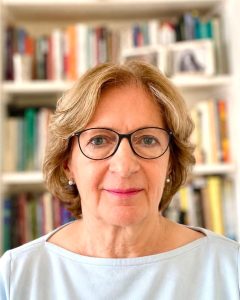 About Dragana Djukic
Dragana Djukic (MA, UKCP, MBACP) is a psychosynthesis psychotherapist, supervisor, mindfulness teacher, and former trainer at the Psychosynthesis Trust. She brings more than 30 years’ experience in psychotherapy, working with adults, young people, couples, and groups across private practice, charitable organisations, and the NHS.
She is committed to the ongoing development of Psychosynthesis theory and its application in contemporary clinical practice. Her work is informed by insights from neuroscience, Polyvagal Theory, and somatic approaches.
Her integrative approach reflects a holistic understanding of healing, personal growth, and self-realisation, and is characterised by clinical rigour and a respectful, non-pathologising view of human experience.
Qualifications
MA in Psychosynthesis Psychotherapy
Diploma in Psychosynthesis Counselling and Therapy
PGCert in Transpersonal & Integrative Supervision
Certified Mindfulness Teacher
BSc in Physics (Quantum Physics)